
Introduction:
In today’s data-driven world, the role of data analysts has become more critical than ever before. However, with vast amounts of data being generated daily, it can be overwhelming for analysts to manually process and derive valuable insights. This is where artificial intelligence (AI) plays an important role. AI tools have revolutionized the field of data analysis, making it more efficient.
In this article, we will explore ten must-have AI tools that data analysts should consider.
1. Automated Data Preparation Tools:
One of the most time-consuming tasks for data analysts is preparing data for analysis of data. Automated data preparation tools, such as Trifacta, leverage AI algorithms to clean, structure, and integrate data from various sources. This tool help save time and reduce the risk of errors, allowing data analysts to focus on extracting insights.
- Price: It offers two plans:
- Starter: $80 USER/MONTH WITH ANNUAL CONTRACT
- Professional: $4,950 PER USER/YEAR
2. Natural Language Processing (NLP) for Data Interpretation:
NLP-powered tools likeNLP-powered tool like Ayasdi enable data analysts to process and interpret vast amounts of text data. These tools can extract meaningful information from unstructured text sources, such as customer feedback, social media comments, and news articles, facilitating sentiment analysis and trend identification.
- Price: It offers three plans:
- Monthly: $6.99 (billed monthly)
- Annual: $49.99 (billed annually)
- Two year: $139.99 (billed biennially)
3. Predictive Analytics Tools:
Data analytics is incomplete without predictive analysis. Predictive analytics is a vital aspect of data analysis, and AI-driven tool like H2O.ai is the excellent tool in this domain. This tool uses machine learning algorithms to forecast future trends and make data-driven predictions, aiding businesses in making well-informed decisions.
- Price: $50,000/Unit – Minimum 4 AI Units (12 MONTHS=$200,000)
4. Deep Learning Frameworks:

Deep learning framework like PyTorch is essential for data analysts working on complex tasks like image and speech recognition. This framework enables the creation of advanced neural networks that can process and analyze large datasets, leading to more accurate results.
- Price: It offers various plans but the best one is $150,000 annually
5. AI-Powered Graph and Chart Visualization:
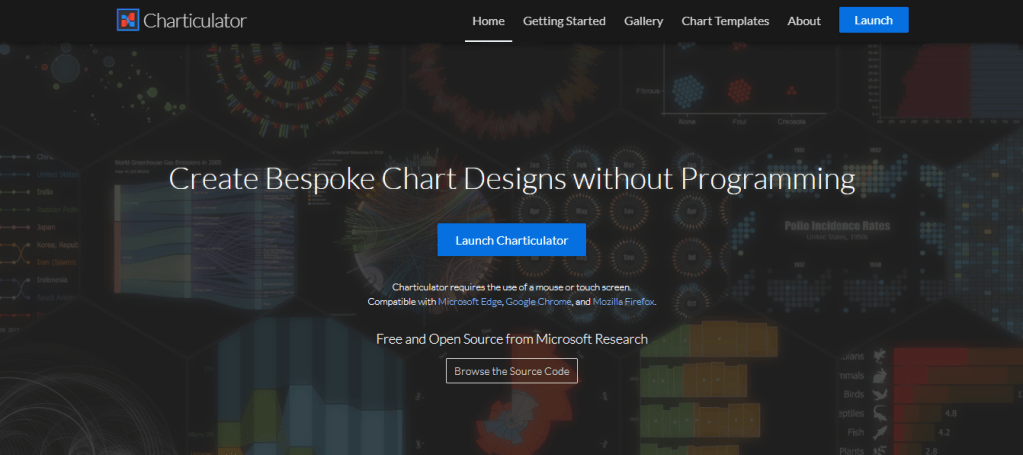
Data analytics is only valuable when the results are presented effectively. Data visualization is crucial for conveying insights to data analysts and decision-makers. AI tool like Charticulator assist data analysts in creating visually appealing and informative graphs and charts. This tool can automatically optimizes data representations, making them easier to understand for decision-makers.
- Price: It is free to use.
6. Tableau AI Insights:

Tableau, a widely used data visualization tool, has integrated AI capabilities that enhance the data analysis process for data analysts. With AI Insights, Tableau can automatically generate relevant visualizations, suggest relevant charts, and provide insights from the data, streamlining the data analytics workflow.
- Price: It offers three plans:
- $75 user/month (billed annually)
- $42 user/month (billed annually)
- $15 user/month (billed annually)
7. Excel Add-Ins with AI Features:
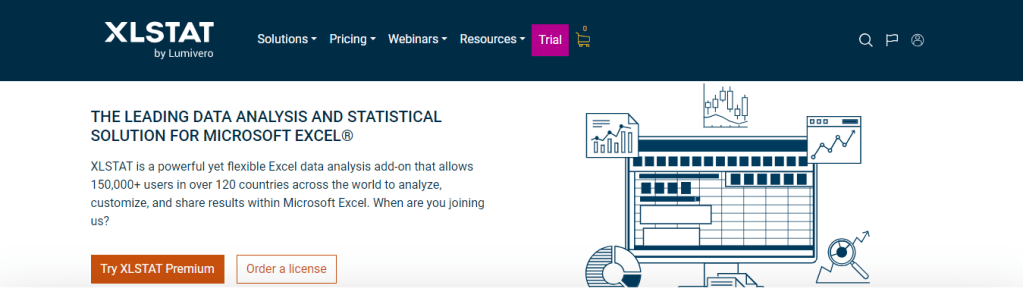
For data analysts who frequently work with Microsoft Excel, AI-powered add-in like Xlstat can be valuable and imprtant asset. This tool enables excel data analysis, data cleaning, data transformation, and advanced statistical analytics within the familiar Excel environment.
- Price: It offers three plans:
- Basic: $345 per year
- Basic+: $595 per year
- Premium: $1775 per year
8. AI-Driven Data Quality Tools:
Ensuring data quality is paramount for accurate data analysis and data analytics jobs. AI-driven data quality tool like Talend can automatically detect and correct errors, inconsistencies, and duplicates in datasets, enhancing the reliability of analytical results. It gives very excellent analytical results.
- Price: It offers plans:
- $1,170 per user, per month
- $12,000 annually
- a free basic option is available.
9. Automated Machine Learning (AutoML) Platforms:
Data analysts can leverage AutoML platform such as DataRobot AutoML to automate the process of selecting the best machine learning algorithms for their datasets. This platform accelerates model training and deployment, making it easier to incorporate AI into data analysis tasks.
- Price: DataRobot offers a comprehensive free trial where you can interact with the software.The free trial is based on credits. You will be told your amount of credits, after signing up and filling out the specifications of your project goals, in a confirmation email.
10. Cognitive Search for Data Discovery:
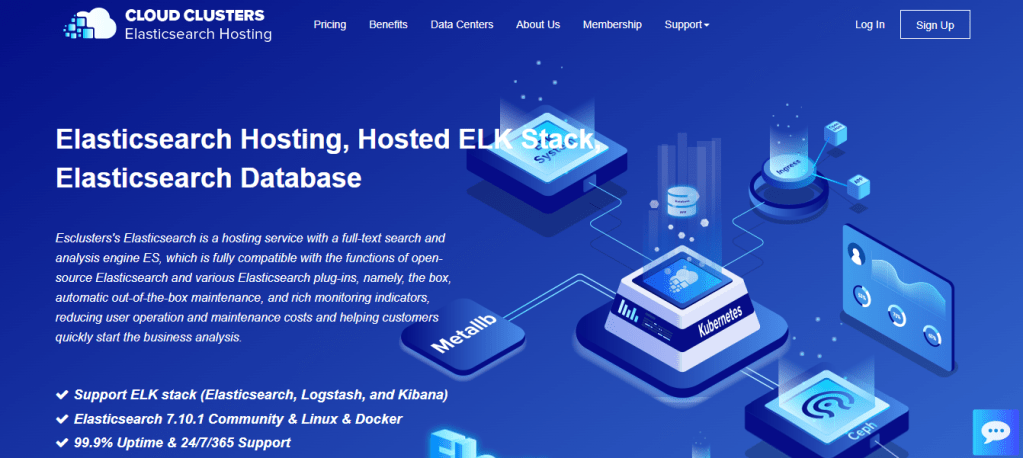
Cognitive search tools, such as Elasticsearch, employ AI to improve data discovery for business intelligence analysts and data analysts. By understanding the context and intent of users’ queries, these tools can deliver more relevant and accurate search results, helping data analysts find the information they need quickly.
- Price: It offers four plans:
- Express plan for $ 4.99/month
- Basic plan for $ 8.99/month
- Professional plan for $ 15.99/month
- Advanced plan for $ 31.99/month
Conclusion:
The integration of AI tools into data analysis workflows has transformed the way data analysts work with data. From automating data preparation to enhancing visualization and predictive capabilities, these ten must-have AI tools enable data analysts to extract valuable insights from vast datasets more efficiently. Embracing AI-driven solutions empowers data analysts to make informed decisions and drive business success in the ever-evolving landscape of big data.

 AI Hub
Leave a comment