Introduction:
Natural Language Processing (NLP) is a game-changing technology that enables machines to understand, interpret, and generate human language. In this article, we will explore what is natural language processing, its applications with Python, popular NLP tools, and its significance in AI and machine learning. From healthcare to chatbots, discover the wide-ranging applications and the best book on natural language processing for data science enthusiasts and professionals.
Natural Language Processing (NLP) is the branch of AI that empowers machines to process, analyze, and comprehend human language in a manner similar to how humans do. It involves various techniques and algorithms that enable machines to extract meaning, context, and patterns from vast amounts of textual data.
Techniques and Applications:
There are alot of applications of NLP in different fields. NLP finds application in diverse industries, from finance to healthcare. It powers chatbots, virtual assistants, and recommendation systems. In healthcare, NLP aids in medical record analysis, improving diagnosis and patient care. In finance, it assists in sentiment analysis for stock market prediction.
Algorithm for Natural Language Processing :
The quest for the best natural language processing with deep learning algorithm continues to be a topic of intense research. While deep learning-based models like BERT (Bidirectional Encoder Representations from Transformers) have revolutionized the NLP landscape. These advanced models achieve state-of-the-art results across various language tasks.
NLP Tools:
A plethora of NLP tools is available to developers, researchers, and businesses. Some of the top tools include:
1. NLTK (Natural Language Toolkit):
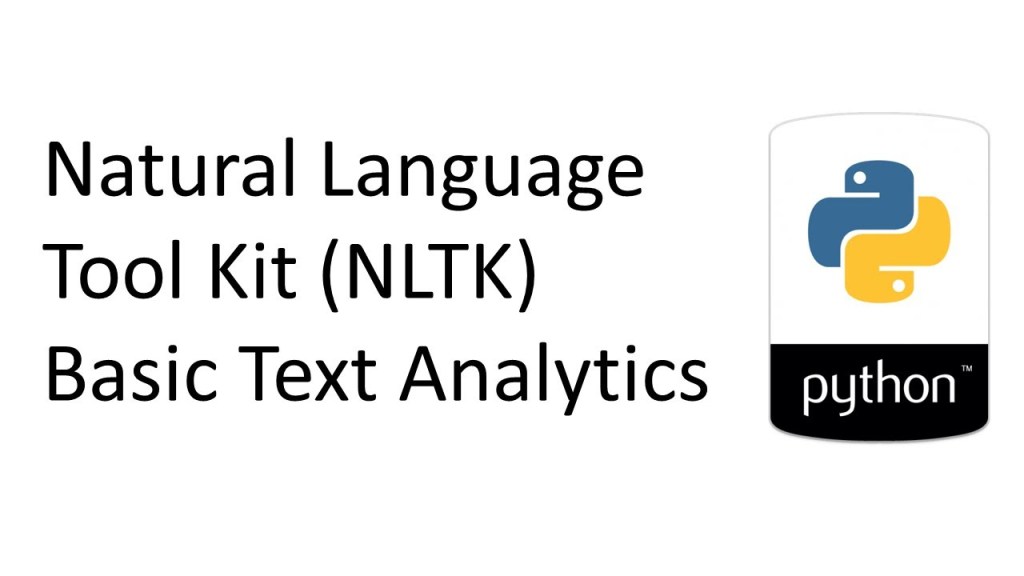
The Natural Language Toolkit, or more commonly NLTK, is a suite of libraries and programs for symbolic and statistical natural language processing for English written in the Python programming language. NLTK is a powerful Python library widely used for natural language processing (NLP) tasks. With NLTK, developers and researchers can analyze and process textual data effectively. It provides various tools, such as tokenization, stemming, lemmatization, part-of-speech tagging, and more.
2. spaCy:
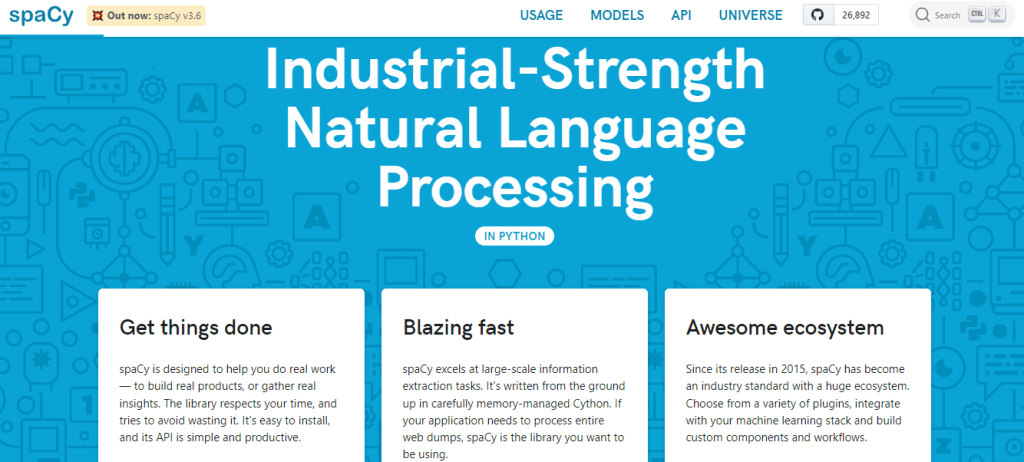
spaCy is an open-source software library for advanced natural language processing, written in the programming languages Python and Cython. spaCy is designed to be fast, efficient, and easy to use. It provides pre-trained models for various languages, allowing users to perform tasks like part-of-speech tagging, named entity recognition, and dependency parsing with minimal effort.Its API and documentation are well-structured, making it easier for developers to integrate it into their projects.
3. Gensim:

Gensim is a popular Python library that focuses on topic modeling and document similarity using Word2Vec and other algorithms. One of its key features is the implementation of Word2Vec, a widely-used technique for learning word embeddings from large text corpora. These word embeddings capture semantic relationships between words, making it easier to perform various natural language processing tasks. Gensim’s capabilities and user-friendly interface make it a valuable tool for the Python NLP community.
4. OpenNLP:
OpenNLP is an open-source natural language processing library developed by the Apache Software Foundation. It provides a collection of Java-based tools and models for performing various NLP tasks. The primary goal of OpenNLP is to facilitate tasks like tokenization, part-of-speech tagging, named entity recognition, chunking, parsing, and coreference resolution.
OpenNLP is a powerful and flexible open-source library that empowers developers to build sophisticated natural language processing applications with ease. Its comprehensive set of tools and models make it a valuable resource for the NLP community and a reliable choice for various text analysis tasks.
5. IBM watson:
IBM Watson is a cutting-edge AI technology that’s reshaping industries worldwide. As a leader in artificial intelligence, IBM Watson offers a transformative suite of cognitive computing solutions designed to unlock insights, enhance decision-making, and drive efficiency across diverse sectors. From healthcare and finance to manufacturing and beyond, Watson’s advanced capabilities in natural language processing, machine learning, and data analytics empower businesses to harness the potential of their data like never before.
6. Google Cloud:
As a frontrunner in cloud technology, Google Cloud offers a comprehensive suite of tools and services designed to drive efficiency, scalability, and innovation across industries. From data analytics and machine learning to secure infrastructure and collaborative productivity, Google Cloud equips enterprises with the tools they need to thrive in today’s digital landscape. Through Google Cloud, you can experience seamless integration, unparalleled performance, and data-driven insights.
7. MonkeyLearn:
MonkeyLearn offers a comprehensive suite of tools designed to extract valuable insights, sentiments, and patterns from unstructured text data. From social media sentiment analysis to customer feedback categorization, MonkeyLearn empowers businesses to make informed decisions and derive actionable intelligence. With cutting-edge machine learning algorithms, MonkeyLearn simplifies complex text analysis, making it accessible to all levels of users.
8. MindMeld:
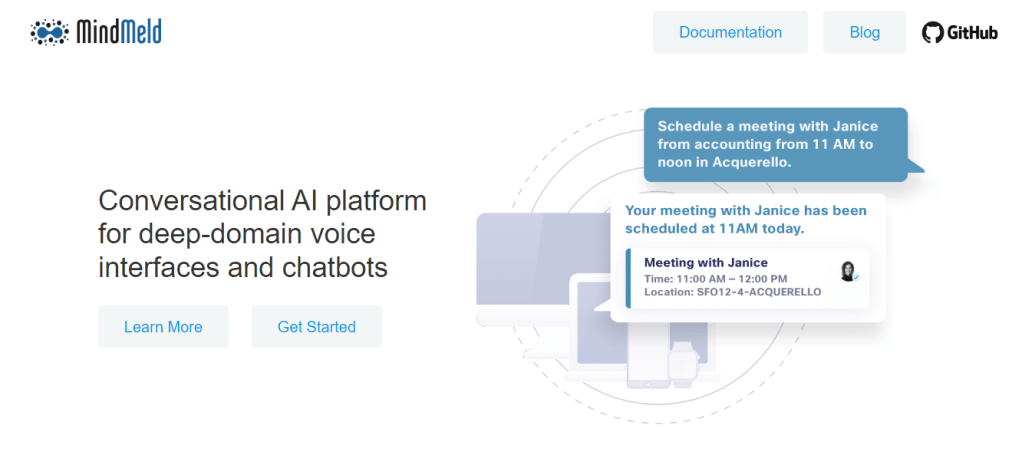
MindMeld is a pioneering platform that’s reshaping the way businesses interact with customers. As a leader in conversational AI, MindMeld offers a comprehensive suite of tools and technologies designed to create seamless, natural, and personalized interactions. From chatbots that understand user intent to voice assistants that navigate complex queries, MindMeld empowers businesses to deliver exceptional customer experiences. Harness the power of advanced machine learning and natural language processing to build AI-driven solutions that drive engagement, satisfaction, and loyalty.
Jobs and Career Opportunities:
The demand for NLP experts is soaring, with companies actively hiring professionals skilled in NLP algorithms and models. From data scientists to NLP engineers, the job market offers a plethora of opportunities for those well-versed in natural language processing.
NLP has recently been incorporated into a number of practical applications, including sentiment analysis, chatbots and speech recognition. NLP is being used by businesses in a wide range of sectors to automate customer care systems, increase marketing initiatives and improve product offers.
Course and Services:
Enrolling in a natural language processing course can be a game-changer for individuals seeking to excel in the AI industry. Such courses provide hands-on experience with NLP algorithms, models, and tools, empowering participants to develop real-world applications.
The Best Course for Data Science with NLP or professionals seeking lucrative opportunities, mastering data science with a focus on natural language processing is essential. Pursue the best course for data science that covers NLP applications, including online courses on NLP and machine learning classes. These courses equip you with the necessary skills to leverage NLP libraries in Python and create innovative solutions.
Conclusion:
Natural Language Processing (NLP) is a transformative technology with widespread applications in AI, machine learning, and various industries. From chatbots to healthcare, NLP is changing the way we interact with technology and unlocking new possibilities. Embracing NLP and enrolling in a natural language processing course can pave the way for a promising career in the rapidly evolving field of AI and data science. Whether you’re a developer, data scientist, or AI enthusiast, the world of natural language processing awaits with boundless opportunities for innovation and growth.

 AI Hub
Leave a comment