Introduction:
In today’s fast-paced world, where technology is rapidly advancing, Artificial Intelligence (AI) has emerged as a game-changer in various sectors, and education is no exception. The integration of AI tools in education is transforming traditional learning methods into dynamic, personalized, and efficient experiences for both students and teachers. In this blog, we’ll delve into the world of AI tools for education, exploring their benefits and how they are reshaping the future of learning. AI tools for education refer to the innovative applications of artificial intelligence that enhance and facilitate the learning process.
Enhancing Education Quality Through AI:
The infusion of AI into education holds immense potential to elevate the quality of learning. AI’s ability to analyze data and adapt content based on individual learning styles enables personalized learning paths, addressing the diverse needs of students. This tailored approach enhances engagement, comprehension, and retention. AI-based education systems provide students with interactive platforms for learning. These platforms can offer real-time feedback, helping students identify areas where they need improvement. Additionally, AI-driven assessment tools streamline grading processes, allowing teachers to focus more on teaching and less on administrative tasks.
AI’s Role in Shaping Education:
AI’s role in education is multifaceted. It automates administrative tasks, allowing educators to allocate more time to fostering meaningful interactions. It also aids in identifying struggling students early on, enabling timely interventions to ensure academic success. Additionally, AI encourages critical thinking and problem-solving through interactive simulations and scenarios. Furthermore, AI-powered virtual tutors can provide round-the-clock support to students, while customized learning solutions can empower students with special needs to reach their full potential. AI systems monitor students’ progress, spot their weak points, and offer tailored learning resources and suggestions. It has been discovered that customized learning, which allows students to study at their own pace, improves academic performance.
AI tools for Education :
Following are some AI tools for education which are totally free:
1. Google’s AI Hub:
Google’s AI Hub for education emerges as a groundbreaking platform, driving a paradigm shift in the realm of learning through Artificial Intelligence (AI). This hub offers educators and students an extensive array of AI tools, resources, and projects, transforming traditional education into a dynamic, AI-infused experience. Particularly for students in fields like computer science and data science, Google’s AI Hub is an invaluable learning resource. It empowers them with hands-on engagement, offering practical insights into AI and machine learning models. This translates to a concrete understanding of concepts and skills development that aligns with real-world applications. The platform’s intuitive interface and collaborative features foster a vibrant learning environment, encouraging students to dive into AI experimentation, and even develop their own AI models.
2. IBM Watson Education:
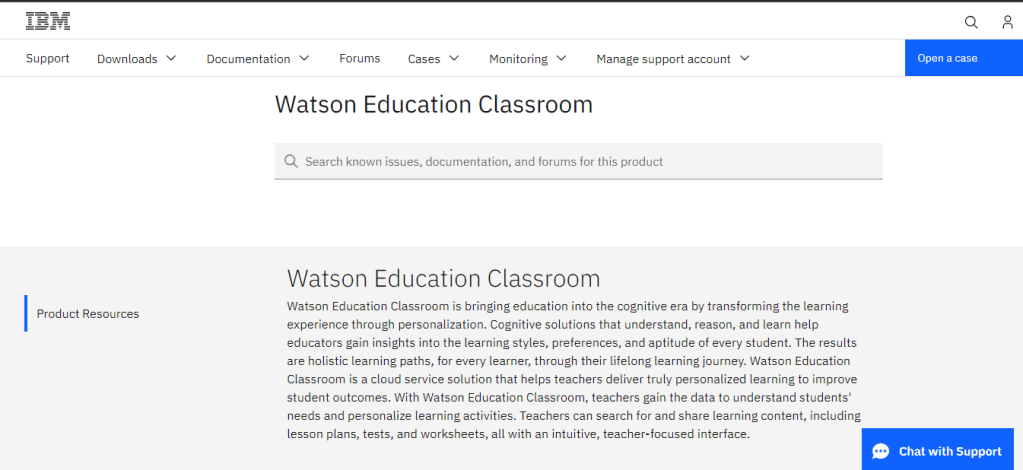
IBM Watson Education offers educators and students a comprehensive suite of AI-powered tools and resources, revolutionizing traditional educational paradigms. With a focus on personalized learning, IBM Watson Education empowers students to engage in dynamic learning journeys tailored to their unique needs. Moreover, for educators, this platform provides invaluable data-driven insights into student performance. By identifying learning gaps early on, teachers can intervene in a timely manner, ensuring that every student receives the necessary support. The AI tutor within IBM Watson Education serves as an ally, alleviating the burden of laborious tasks like grading assignments. This automation not only streamlines administrative processes but also grants educators more time to refine and enhance their teaching strategies.
3. Duolingo – the AI-powered language learning app:
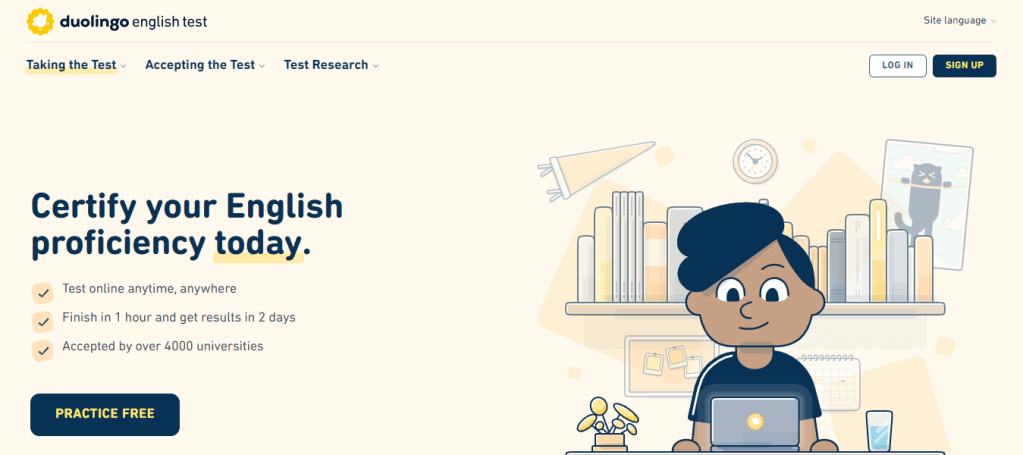
Duolingo, an AI-powered language learning app, has revolutionized the way individuals acquire new languages or enhance their linguistic proficiency. With its dynamic and interactive approach, Duolingo presents students with an engaging platform to embark on language-learning journeys. Harnessing the power of Artificial Intelligence, this app evolves with each learner’s progress, seamlessly identifying areas that require improvement and customizing the learning experience accordingly. This adaptability makes Duolingo a superb choice for individualized or supplementary learning. Students can explore a range of languages at their own pace, supported by AI-driven insights that refine their strengths and address their weaknesses.
4. Quizlet:

Quizlet, the online learning platform, has harnessed the potential of Artificial Intelligence (AI) to revolutionize traditional flashcards and study sets. Utilizing AI technology, Quizlet has transformed into a dynamic learning tool, catering to a variety of learning preferences. This platform offers an assortment of study modes such as flashcards, tests, and games, appealing to different learning styles and enhancing engagement. The true power of Quizlet lies in its AI-enhanced ‘Learn’ function. By leveraging AI, this feature tailors study plans to each learner’s unique strengths and areas requiring improvement. Furthermore, Quizlet’s AI-driven algorithm considers the timeline leading up to a learner’s test date, ensuring optimal learning efficiency. In the world of education, Quizlet stands as a testament to how AI can elevate traditional study methods into personalized, data-driven learning experiences that enhance comprehension and retention.
5. Carnegie Learning:
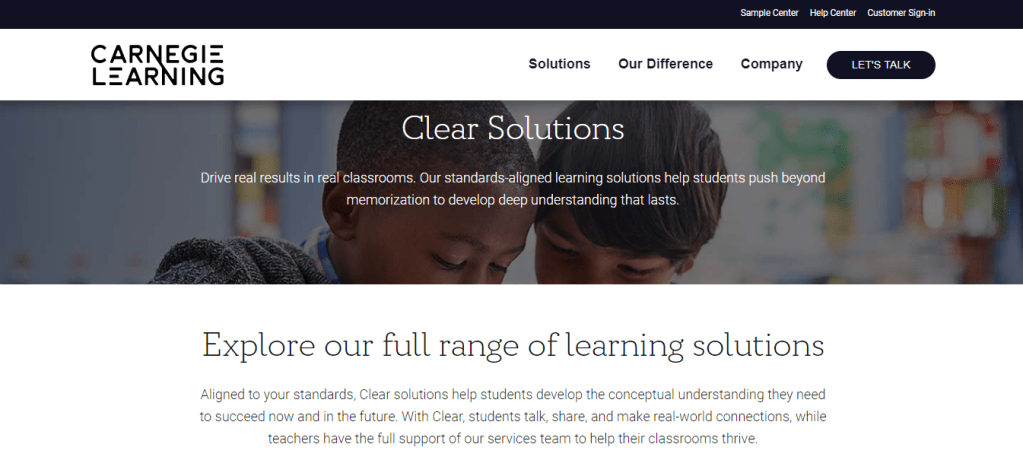
At the forefront of AI-powered math education stands Carnegie Learning. It is a platform that’s transforming the way students engage with mathematics. Central to this platform is MATHia, an AI-driven software engineered to deliver tailored math tutoring. Carnegie Learning’s innovative approach to education is rooted in personalization. MATHia harnesses the capabilities of Artificial Intelligence to dynamically adapt to each student’s proficiency level, crafting a personalized learning journey that aligns with their unique strengths and areas requiring growth. This platform exemplifies the potential of AI in education, as it equips learners with a personalized toolkit for mastering mathematical concepts and fostering a deeper understanding of the subject.
6. Microsoft’s Immersive Reader:
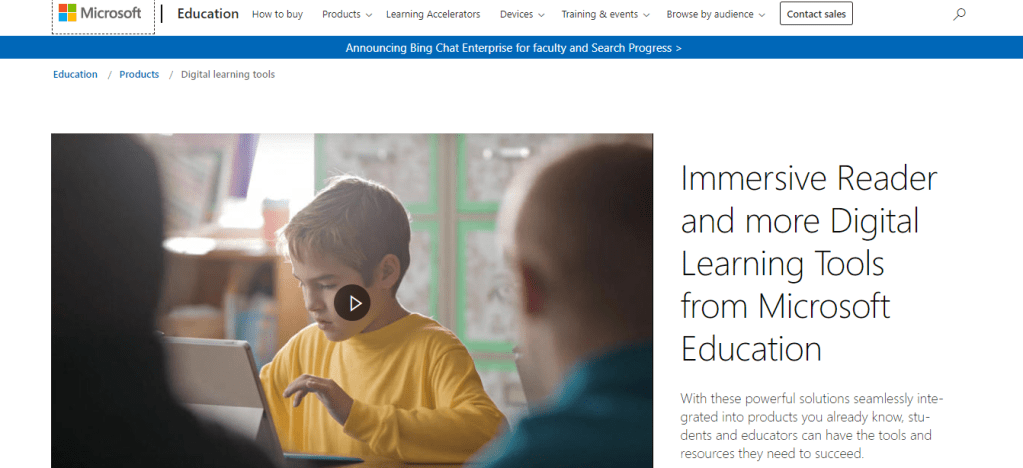
Microsoft’s Immersive Reader emerges as an AI-driven solution dedicated to enhancing reading skills, showcasing the transformative potential of technology in education. An integral component of the Microsoft Learning Tools suite, Immersive Reader elevates the reading experience through a range of ingenious features. This AI-powered tool focuses on improving text readability and comprehension, catering to diverse learning needs. With capabilities like text-to-speech, adjustable text size and spacing, color themes, and syllabification, Immersive Reader empowers learners to customize their reading environment for optimal understanding. Furthermore, it offers a Picture Dictionary and Translator, bolstering comprehension by providing visual aids and language support. Microsoft’s Immersive Reader epitomizes how AI is making education more inclusive and personalized.
7. SymbMath:
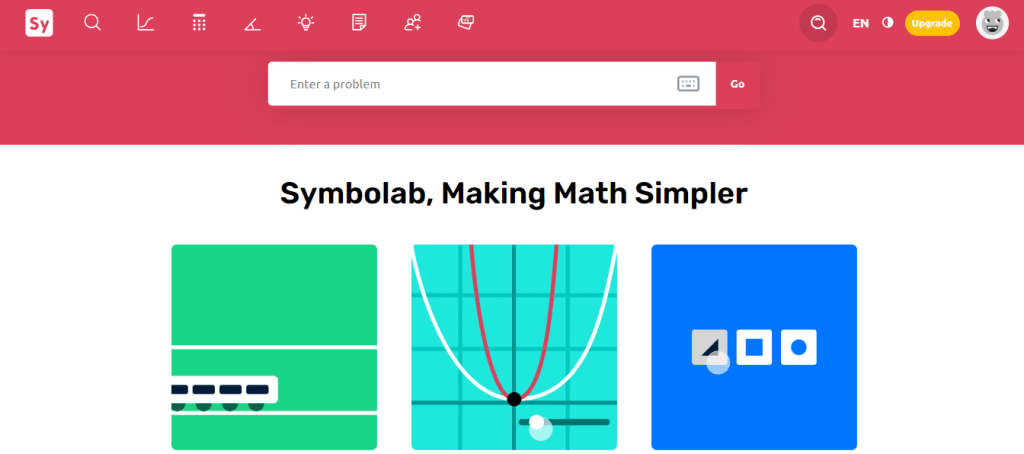
SymbMath stands as an innovative AI system tailored for tackling symbolic math complexities, underscoring the remarkable synergy of Artificial Intelligence and mathematics. Engineered to excel in symbolic calculations, mathematical manipulations, and equation-solving, SymbMath emerges as a versatile software that resonates across multiple branches of mathematics. From algebra to trigonometry, and even into the realm of calculus, SymbMath showcases its prowess by seamlessly navigating through intricate mathematical challenges. In a world driven by technology, SymbMath exemplifies how AI systems can elevate mathematical problem-solving, offering learners and mathematicians a powerful tool to unravel the intricacies of symbolic math problems with precision and efficiency.
8. Grammarly:
Grammarly, a transformative AI-driven writing tool, has emerged as an indispensable asset in the field of education. With its seamless integration and user-friendly interface, Grammarly enhances students’ writing skills by providing real-time feedback on grammar, punctuation, and style. This powerful tool not only assists in error detection and correction but also aids in refining the clarity and coherence of written content. In the realm of education, Grammarly empowers students to become more confident and effective communicators, preparing them for success in academic and professional endeavors. From essays to research papers, Grammarly’s intuitive AI capabilities are revolutionizing the way students learn, write, and excel in their educational pursuits.
9. Content Technologies, Inc. (CTI):
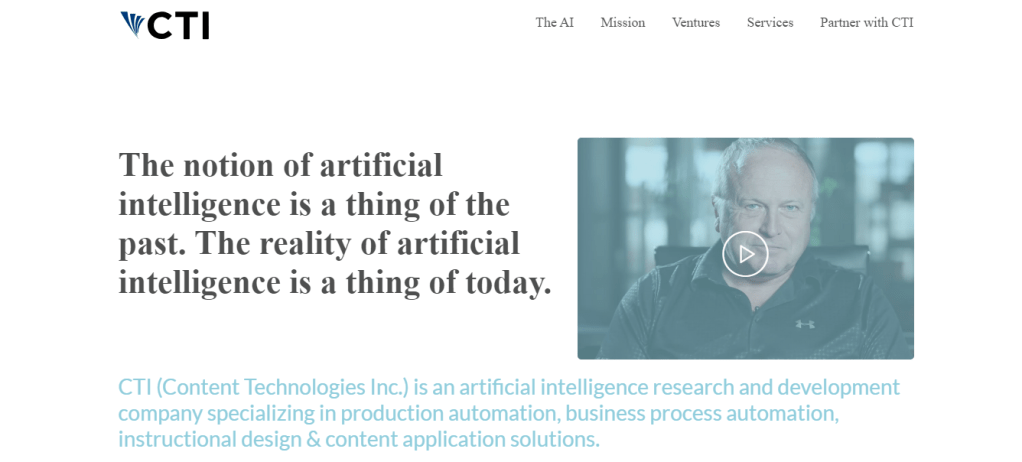
Content Technologies, Inc. (CTI) stands as a pioneering force in the realm of education, harnessing the capabilities of Artificial Intelligence to propel eLearning into a new era. At its core, CTI’s AI-powered platform acts as a catalyst, transforming static classroom resources into immersive and interactive learning journeys. For educators, it offers an innovative tool to diversify instructional materials, catering to diverse learning styles and preferences. This platform’s true power, however, lies in its impact on students. Its proprietary AI engine can convert any textbook or document into an interactive learning module, thereby customizing the learning experience. By infusing AI into the learning process, CTI enhances engagement and personalization, creating a more dynamic and captivating learning experience.
10. QuillBot:
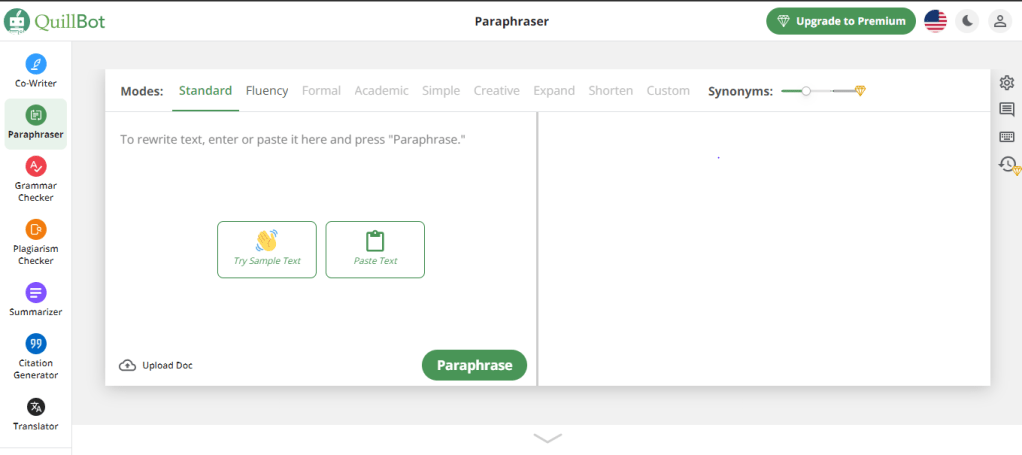
Quill, the AI-powered writing tool, stands as an exceptional resource for enhancing student writing abilities, underscoring the transformative potential of technology in education. With its advanced AI capabilities, Quill becomes a powerful asset in improving writing skills. The tool adeptly identifies common errors, offers constructive feedback, and provides insightful suggestions for refinement, offering students a personalized pathway to hone their writing prowess. Beyond its benefits for students, Quill serves as a valuable resource for educators. The tool aids teachers in monitoring student progress, identifying areas that warrant further instruction, and fostering comprehensive growth. By seamlessly integrating AI into the writing process, Quill exemplifies the capacity of technology to enrich the educational experience, empowering students to become more proficient writers.
Paid AI Tools:
While free AI tools offer significant benefits, it’s also worth considering some paid AI tools that come with additional features. Paid AI tools typically offer advanced features such as detailed analytics, extensive content libraries, or superior customer support. For institutions or educators with specific needs or larger budgets, investing in paid AI tools can provide tailored solutions that maximize the potential of AI in education. Tools like Coursera for Campus, Blackboard’s Ally, and Turnitin’s Revision Assistant provide AI-enhanced learning experiences.
Limitations using AI in Education:
While AI has the potential to revolutionize education, it also comes with certain disadvantages. One notable drawback is the risk of depersonalization in the learning experience. AI-driven platforms might lack the human touch and empathy that educators provide, which can hinder the development of emotional intelligence and interpersonal skills in students. Moreover, there is a concern that excessive reliance on AI tools could lead to a passive learning environment, where students become overly dependent on technology for understanding concepts. Additionally, the introduction of AI in education requires significant financial investment for infrastructure, training, and maintenance, which could strain budgets, particularly for smaller educational institutions. Furthermore, ensuring data privacy and security becomes paramount as AI systems collect and analyze student information, raising ethical concerns about how this data is used and protected. It’s crucial to carefully weigh these disadvantages against the potential benefits and implement AI in education.
Future of AI in education:
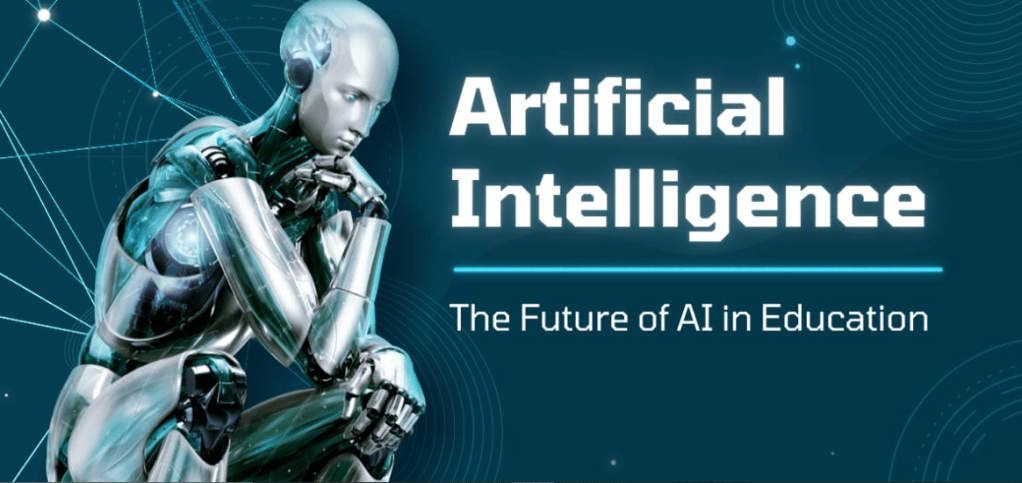
The future of education is being reimagined through the lens of Artificial Intelligence (AI), promising a revolution that will reshape the way we learn and teach. As AI technologies become more sophisticated, we can anticipate a landscape where virtual classrooms come alive with AI-powered tutors tailored to individual learning paces and preferences. These virtual companions will provide real-time feedback, interactive simulations, and adaptive learning materials, nurturing personalized educational experiences.
Moreover, AI will continue to streamline administrative tasks, liberating educators to focus on fostering critical thinking, creativity, and problem-solving skills among students. As we look ahead, AI’s impact on education holds immense potential to create a dynamic and inclusive learning environment that prepares learners for the challenges of a rapidly evolving world.
Conclusion:
In conclusion, the integration of AI tools in education is revolutionizing the way we learn and teach. The dynamic, personalized, and efficient learning experiences made possible by AI are changing education for the better. As AI continues to evolve, we can expect a future where every student receives tailored guidance and where teachers are empowered with innovative resources. Embracing AI in education is not just a choice but a necessity to prepare our future generations for success in a technology-driven world.

 AI Hub
Leave a comment